
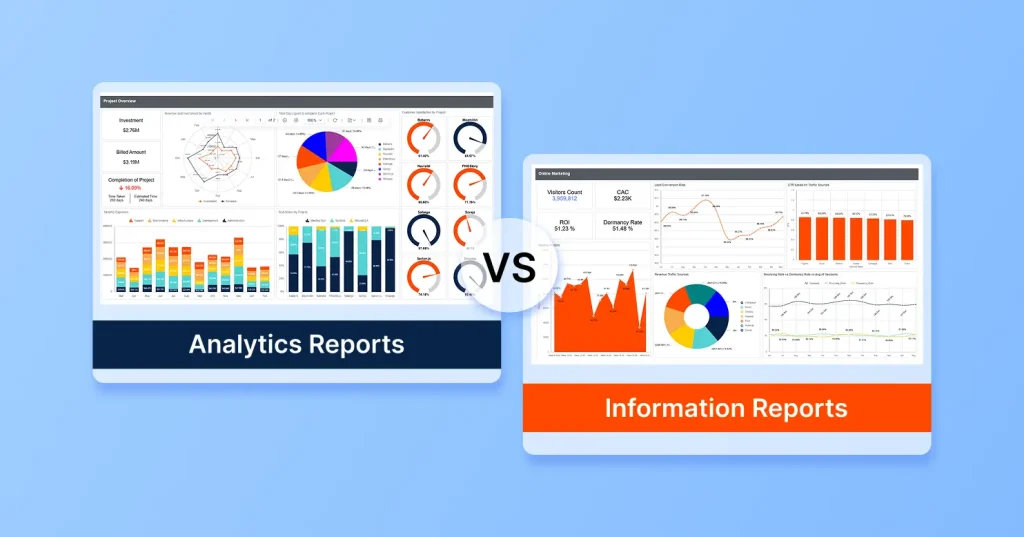
What are informational reports?
Informational reports deliver objective data and details without analysis or interpretation. Their primary goal is to present information in a clear and concise manner, allowing readers to form their own conclusions. Another key characteristic is that they are often organized in a sequential manner or based on the significance of the information presented.
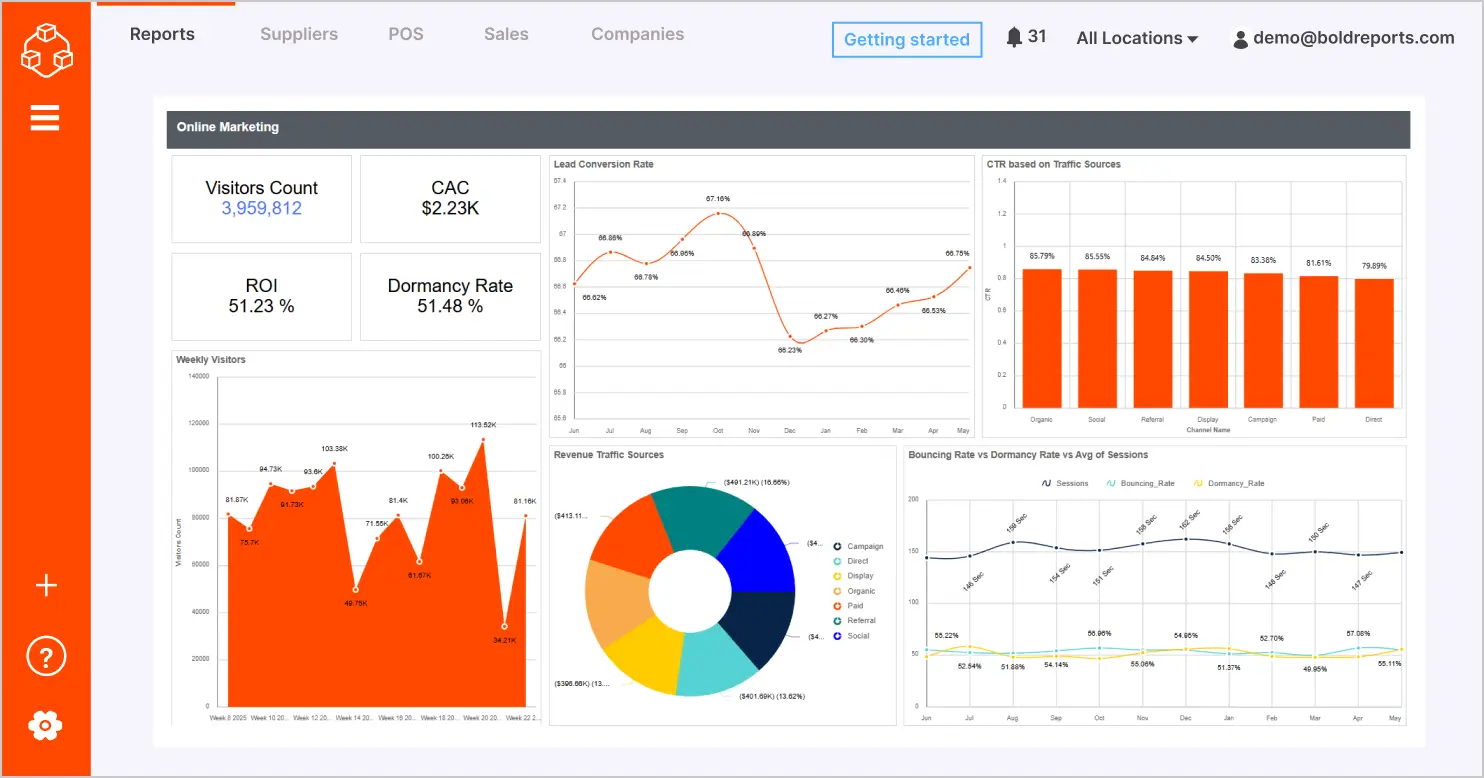
This example sales performance report provides raw sales figures, dates, and targets met, helping stakeholders quickly understand how the team performed over a specific period.
While informational reports focus on presenting data plainly, analytical reports dig deeper to uncover insights. Let’s explore analytical reports in detail to understand their value.
What are analytical reports?
Analytical reports are the tools that dig deeper into data to reveal patterns, causes, and trends. They help organizations make better decisions by interpreting complex information and providing meaningful insights. By using detailed data analysis techniques, charts, and comparisons, analytical reports guide strategy and uncover opportunities for improvement.
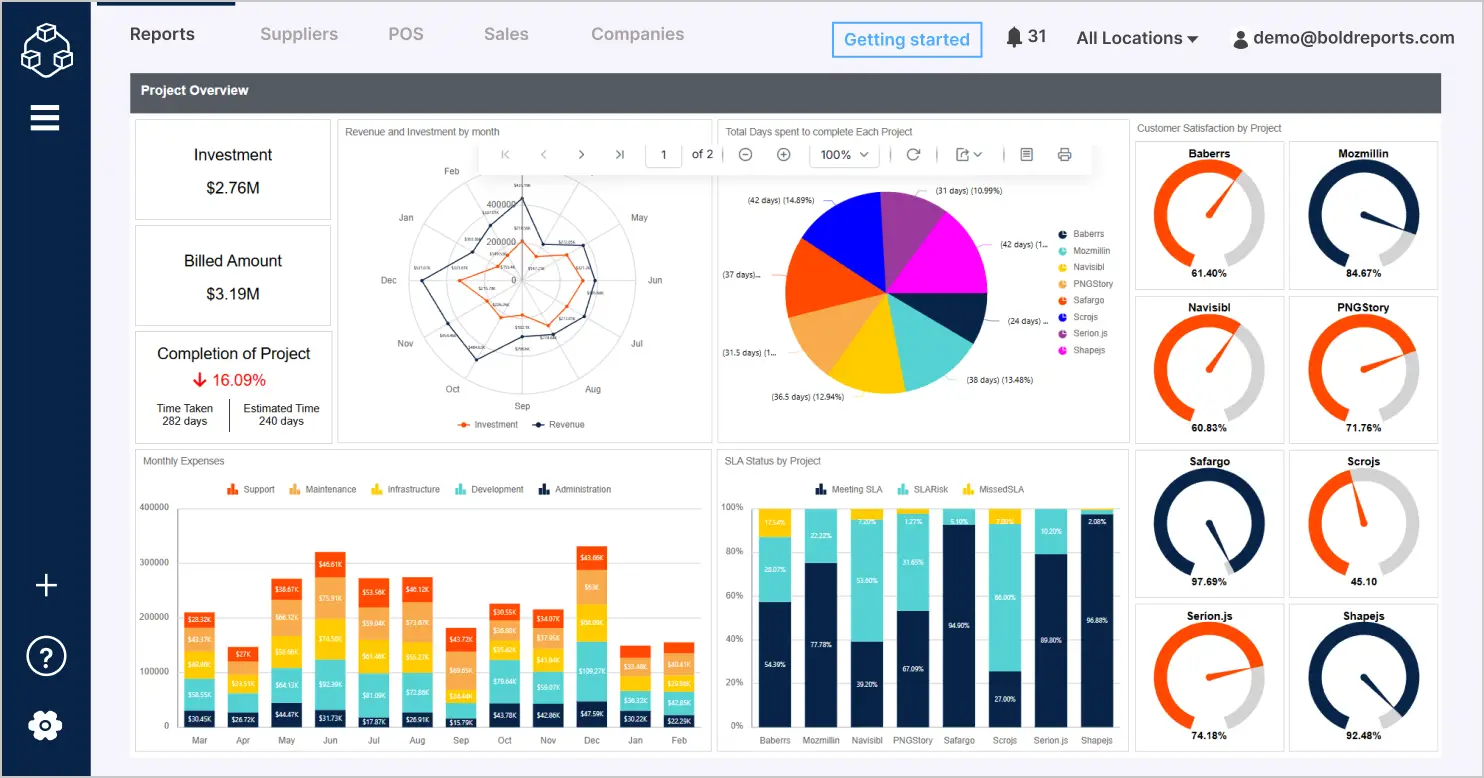
This example project overview report tracks project progress, identifies bottlenecks, and analyzes resource allocation to help managers improve efficiency and meet deadline
With a clear understanding of both types and examples, let’s compare their features side by side to help you choose the best fit for your reporting goals.
How informational reports and analytical reports differ
The choice between informational and analytical reports depends on whether you need to simply present data or derive insights for decision-making.
| Feature | Informational report | Analytical report |
|---|---|---|
| Purpose | Shares facts and data without interpretation. | Provides insights, evaluations, and recommendations. |
| Content | Focuses solely on presenting raw data and findings. | Includes analysis, comparisons, and conclusions. |
| Decision role | Acts as a reference; not designed for making decisions. | Aids in decision-making by offering actionable insights. |
| Audience | General management, staff, or stakeholders who need factual updates. | Decision-makers, executives, analysts. |
| Length and depth | Generally concise and straightforward. | More detailed and in-depth. |
| Frequency | Regularly generated (daily, weekly, monthly). | Often created for specific purposes or projects. |
Choose wisely based on your objective—whether it’s sharing data or drawing conclusions—so your report delivers the right impact to the right audience. By selecting the right report type, you’re on your way to clearer, more effective communication. Ready to put this into practice? Ready to create impactful reports? Try Bold Reports for free for 30 days trial and discover how easy it is to build both informational and analytical reports tailored to your needs.