6 Best SSRS Alternatives for Modern Reporting in 2026
TL;DR:
Looking beyond SSRS in 2026, modern reporting tools will be designed to support scalability, flexibility, and real-world business use cases. The best alternatives offer capabilities such as pixel-perfect report design, seamless embedding, flexible deployment, advanced data handling, and automated distribution. This guide compares the top 6 SSRS alternatives to help you choose a solution that aligns with modern application requirements and supports long-term growth.
Introduction
SQL Server Reporting Services (SSRS) has long been a reliable solution for generating paginated, pixel-perfect reports. However, as organizations modernize their data infrastructure, many are actively seeking more flexible and scalable reporting platforms.
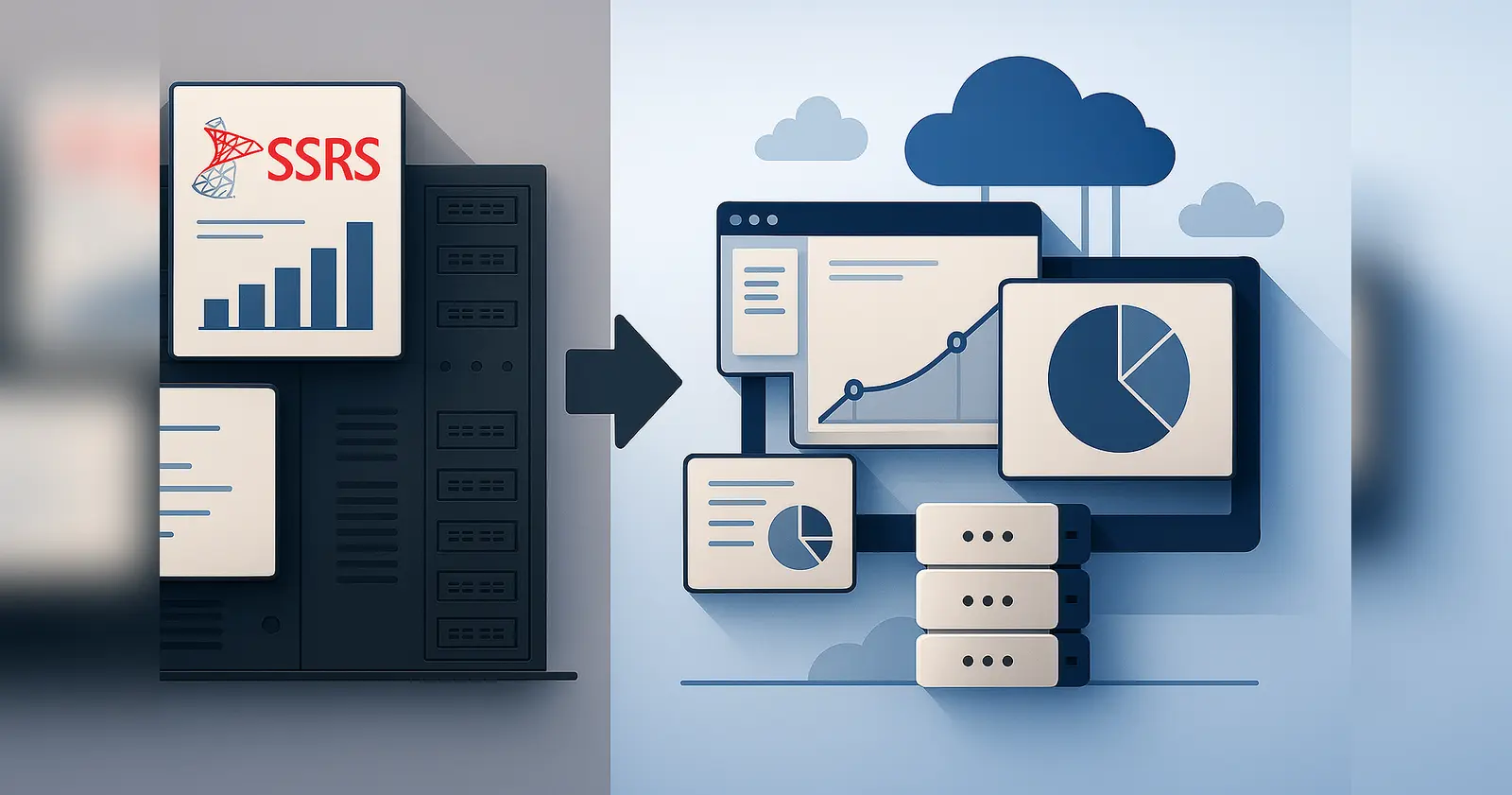
One key driver is that SSRS is approaching long-term retirement planning, with support expected to continue only until 2033 and no new versions beyond SQL Server 2022. Additionally, modern application requirements like cloud deployment, embedded reporting, and cross-platform accessibility have exposed several limitations in SSRS.
Today’s businesses demand reporting tools that go beyond static reports. They require:
-
- Cloud-native and hybrid deployment options.
- Seamless embedding into web applications.
- Self-service report creation.
- Support for multiple data sources beyond SQL Server.
- Pixel-perfect exports for compliance and operations.
In this guide, we explore the six best SSRS alternatives for modern reporting in 2026, helping you choose the right platform for your evolving reporting needs.
Why look for an SSRS alternative?
SSRS was built primarily for on-premises environments and static reporting. While it continues to serve legacy systems well, it struggles to meet modern expectations, such as:
-
- Cloud-native scalability.
- Real-time and interactive reporting.
- Seamless embedding in SaaS applications.
- Faster deployment and CI/CD integration.
Teams comparing SSRS to Power BI or other modern reporting tools often discover that they need more flexibility and a better user experience.
Key drivers of migration include:
-
- The shift to SaaS and multitenant applications.
- Demand for embedded reporting tools.
- The need for self-service reporting.
- Performance limitations with large datasets.
- The need for a modern user interface.
This has led organizations to actively search for a reliable SSRS replacement that aligns with their growth strategy.
What makes a modern reporting tool in 2026?
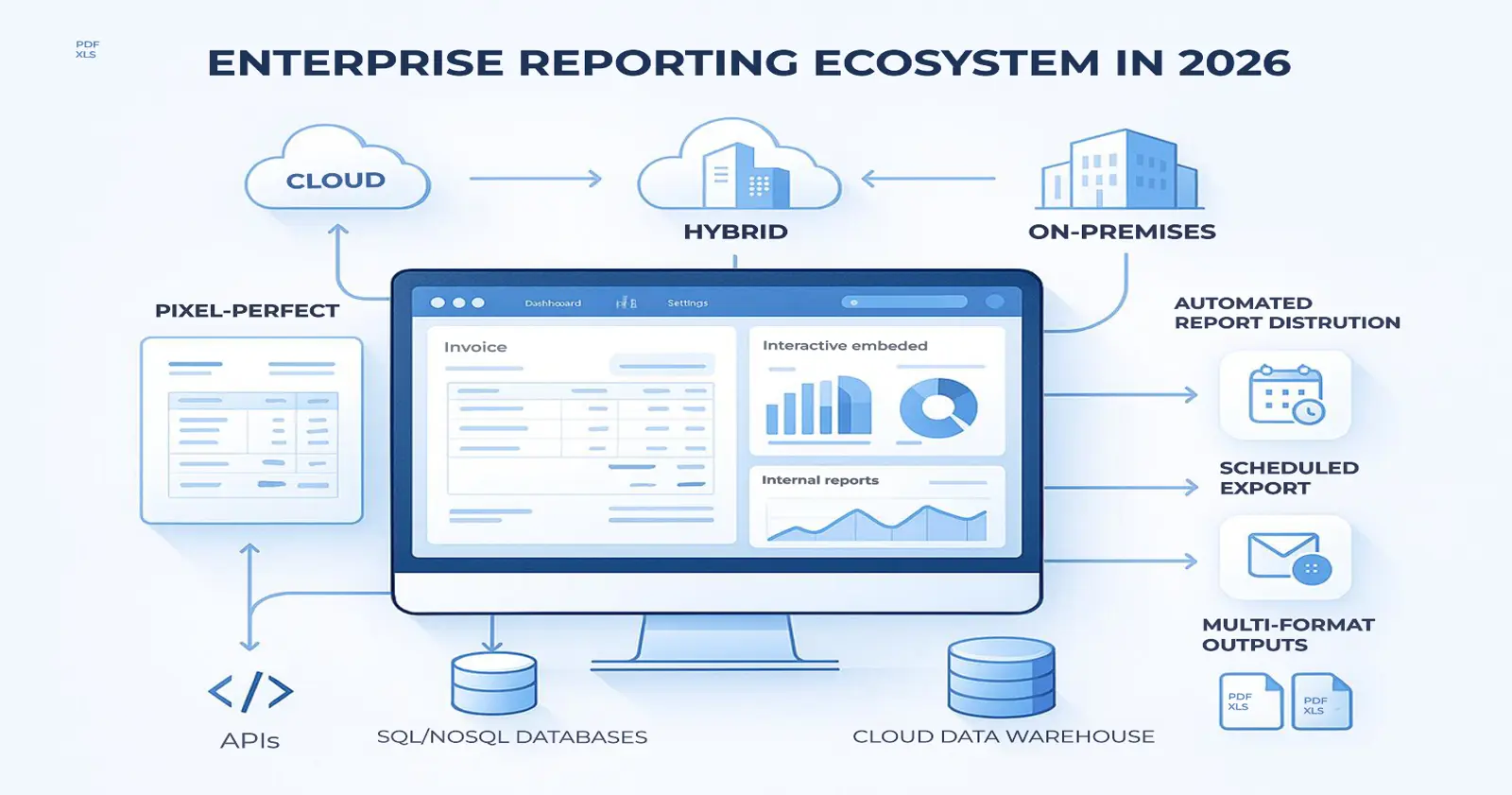
When evaluating SSRS alternatives, modern reporting tools must go beyond static report generation and support scalable, flexible, and application-ready reporting workflows.
1. Pixel-perfect report design
Modern reporting tools must deliver highly structured, print-ready reports with precise layout control. This is critical for documents where formatting consistency matters, such as:
-
- Invoices and billing statements
- Financial reports and compliance documents
- Payroll and audit reports
- Operational and regulatory records
Unlike dynamic dashboards, paginated reports ensure consistent formatting across pages, including headers, footers, tables, and grouped data sections. Strong tools combine visual report designers with fine-grained layout control, multi-page handling, and ready-to-use templates.
2. Embedded reporting
In 2026, reporting is no longer confined to standalone portals. Modern tools must support embedded reporting, allowing reports to be integrated directly into applications. This is especially important for:
-
- SaaS platforms
- Customer-facing dashboards
- Internal enterprise systems
Embedded reporting ensures users can access reports within their workflow without switching tools. Modern platforms enable this through API-driven embedding, support for popular frameworks, and built-in access control and customization options.
3. Flexible deployment
Modern organizations operate across diverse environments. A reporting tool must support flexible deployment models to align with infrastructure needs. Deployment options include:
-
- Cloud for scalability and remote access
- On-premises for strict security requirements
- Hybrid for balanced control and flexibility
Many legacy tools are limited to on-premises setups, restricting scalability and accessibility. Modern solutions address this with cloud-ready architectures, smoother environment transitions, and enterprise-grade security support.
4. Advanced data handling
Modern reporting solutions must handle large, complex datasets efficiently while supporting diverse data sources. This includes:
-
- SQL and NoSQL databases
- Cloud data warehouses
- APIs and external data services
Advanced data handling ensures reports are accurate, flexible, and scalable. This typically involves powerful filtering, grouping, and aggregation, as well as the ability to process large volumes of data without performance issues.
5. Export and distribution
Reporting doesn’t end with creation; distribution is equally important. Modern tools must support automated report delivery across multiple formats.
This is crucial for:
-
- Compliance reporting
- Scheduled operational reports
- Executive summaries and stakeholder sharing
Automated distribution ensures reports are delivered on time and in the required format. Leading tools simplify this with multi-format exports, scheduling, notifications, and controlled sharing.
Six SSRS alternatives for modern reporting in 2026
1. Bold Reports
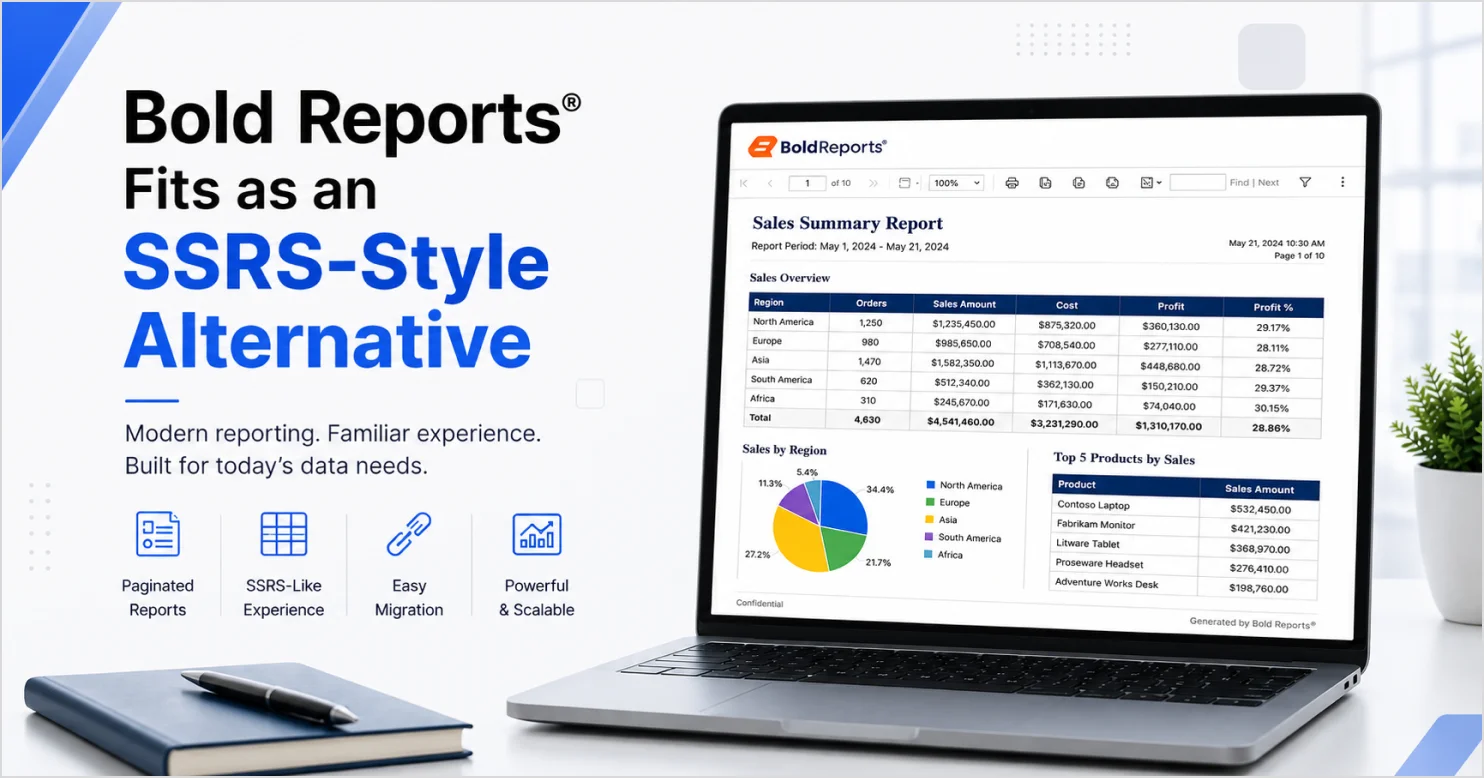
Bold Reports® is a modern embedded reporting platform built specifically for .NET applications and enterprise reporting scenarios. It combines SSRS-compatible reporting, web-based report designers, and scalable deployment capabilities, making it especially suited for SaaS products and customer-facing applications.
What makes Bold Reports stand out is its balance between developer control and business user accessibility. Teams can embed reports directly into applications while enabling self-service report creation for non-technical users.
Best for:
-
- SaaS applications
- Enterprise portals
- ERP systems
- Multitenant reporting platforms
Key strengths:
-
- Embedded reporting with REST APIs
- NET Core and Blazor integration
- Web-based report designer
- SSRS RDL compatibility
- Enterprise-grade scalability
- Multiple export formats, including PDF and Excel
Considerations:
-
- Enterprise implementations may require upfront planning around architecture and deployment
2. Power BI paginated reports
Power BI paginated reports extend Microsoft’s reporting ecosystem by enabling pixel-perfect, paginated reporting alongside interactive dashboards. It provides a natural transition for SSRS users by supporting RDL-based report development with modern cloud capabilities.
Organizations have already invested in Microsoft tools to benefit from tight integration with Power BI datasets and services.
Best for:
-
- Microsoft ecosystem users
- Enterprise reporting teams
- Businesses transitioning from SSRS
Key strengths:
-
- Native support for RDL reports
- Integration with Power BI datasets
- Cloud-based report sharing and publishing
- Familiar SSRS-like authoring experience
- Strong export and print capabilities
Considerations:
-
- Licensing costs may increase with scale and usage
- Paginated reports have limited interactivity compared to modern reporting or dashboard tools, making them less suitable for exploratory use cases
3. JasperReports
JasperReports is a widely adopted open-source reporting engine known for its flexibility and extensibility. It supports a wide range of export formats and integrates well into Java-based applications. Its open architecture makes it a strong choice for development teams that require deep customization and control over reporting workflows.
Best For:
-
- Java-based applications
- Open-source environments
- Custom reporting solutions
Key Strengths:
-
- Open-source and highly customizable
- Supports multiple export formats (PDF, Excel, HTML, CSV)
- Extensive community and ecosystem
- Strong integration capabilities
Considerations:
-
- Requires developer expertise for setup and maintenance
4. Telerik Reporting
Telerik Reporting is a robust reporting solution designed for modern .NET applications. It offers both embedded and standalone reporting capabilities, with tools for creating interactive and paginated reports. It is particularly appealing to development teams seeking tight integration with modern application stacks.
Best For:
-
- .NET developers
- Web and desktop application reporting
- Enterprise software teams
Key Strengths:
-
- Visual report designer with drag-and-drop UI
- Embeddable report viewer
- REST API support
- Interactive and paginated reporting
- Integration with .NET platforms
Considerations:
-
- Commercial licensing required
5. FineReport
FineReport is known for its Excel-like report designer and strong formatting capabilities, making it ideal for business users who need detailed and structured reports. It supports complex layouts and is often used for operational and enterprise reporting scenarios where design precision is critical.
Best For:
-
- Business users and analysts
- Enterprises requiring complex report layouts
- Operational reporting scenarios
Key Strengths:
-
- Drag-and-drop report creation
- Excel-like design experience
- Advanced formatting and layout control
- Role-based access management
- Strong export and printing support
Considerations:
-
- Learning curve for advanced report customization
6. Stimulsoft Reports
Stimulsoft Reports is a flexible reporting solution that supports a wide range of platforms, including web, desktop, and cloud environments. It offers both report and dashboard capabilities with strong design flexibility. Its cross-platform compatibility makes it a versatile option for organizations working with diverse technology stacks.
Best For:
-
- Cross-platform application development
- Embedded reporting scenarios
- Teams needing flexible deployment options
Key Strengths:
-
- Cross-platform support (.NET, JavaScript, etc.)
- Web-based and desktop report designers
- Rich visualization and reporting components
- Flexible deployment models
- Wide export format support
Considerations:
-
- UI and developer experience may vary across platforms
Top SSRS alternatives in 2026: A side-by-side capability comparison
| Tool | Report Design | Embedded Reporting | Deployment Flexibility | Data Handling | Export & Distribution |
| Bold Reports | Excellent | Excellent | Excellent | Excellent | Excellent |
| Power BI Paginated Reports | Excellent | Limited | Moderate | Excellent | Strong |
| JasperReports | Excellent | Moderate | Strong | Strong | Strong |
| Telerik Reporting | Strong | Excellent | Excellent | Strong | Strong |
| FineReport | Excellent | Moderate | Excellent | Strong | Strong |
| Stimulsoft Reports | Excellent | Strong | Excellent | Strong | Strong |
Choosing the right SSRS alternative: What matters in 2026
Choosing the right SSRS alternative depends on your application architecture, reporting complexity, and scalability requirements. Different tools excel in different scenarios, so it’s important to align your choice with your primary use case.
-
- Modern SaaS and .NET applications: Bold Reports and Telerik Reporting are ideal if you need embedded reporting, REST APIs, multitenancy, and flexible deployment. These are essential for building scalable, customer-facing applications.
- Microsoft-focused environments: Power BI Paginated Reports is a strong fit for teams already using Microsoft tools, especially when working with RDL-based reports, Power BI datasets, and cloud-based sharing.
- Open-source and Java-based systems: JasperReports works well if you need full customization and control in Java environments, though it typically requires more developer involvement.
- Business-user-driven reporting: FineReport is a good option when teams need Excel-like report design and structured reporting, especially for operational and enterprise use cases.
- Cross-platform and flexible deployments: Stimulsoft Reports is suitable for teams working across multiple environments, offering broad platform support and flexible deployment options.
- Mixed enterprise and embedded use cases: If you need a balance of developer control and end-user accessibility, tools like Bold Reports and Telerik Reporting provide strong support for both scenarios.
Final thoughts
Choosing an SSRS alternative is no longer just about replacing a legacy tool; it’s about selecting a reporting platform that can support modern application demands, scalability, and long-term growth.
With SSRS 2022 confirmed as the final version and support extended only until 2033, organizations are increasingly planning for future-ready enterprise reporting solutions. This shift highlights the growing need for platforms that go beyond traditional, on-premises reporting.
Modern reporting tools now deliver embedded capabilities, cloud-ready deployment, self-service design, and seamless integration across SaaS and enterprise applications, making them far better suited for today’s development environments.
Among the available options, solutions like Bold Reports stand out by combining SSRS compatibility with modern embedded reporting capabilities, enabling teams to reuse existing reports while scaling efficiently. This ability to bridge traditional and modern reporting needs is especially valuable for .NET and SaaS applications.
For organizations building or modernizing applications, choosing a reporting tool with flexible embedding, scalable architecture, and strong developer support is essential to ensure long-term success. Start building pixel-perfect reports in your .NET applications today, explore a free 30-day trial or request a personalized demo to accelerate your reporting modernization journey.
Frequently asked questions
- 1.
What are the best SQL Server Reporting Services alternatives in 2026?
Top SQL Server Reporting Services alternatives include Bold Reports, Power BI Paginated Reports, JasperReports, Telerik Reporting, FineReport, and Stimulsoft Reports, offering modern, scalable reporting capabilities.
- 2.
What is the best SSRS replacement for modern applications?
The best SSRS replacement depends on your needs; Bold Reports and Telerik Reporting are ideal for embedded use, while Power BI suits Microsoft environments.
- 3.
How do modern reporting tools differ from SSRS?
Modern reporting tools provide cloud deployment, embedded reporting, and self-service capabilities, unlike SSRS’s traditional, on-premises approach.
- 4.
Which embedded reporting tools are similar to SSRS?
Popular embedded reporting tools include Bold Reports, Telerik Reporting, and Stimulsoft Reports, enabling seamless in-app reporting.
- 5.
How does SSRS compare to Power BI Paginated Reports?
Power BI Paginated Reports offers a natural upgrade path from SSRS, since it supports the same RDL-based report format, letting teams reuse existing SSRS reports. The key difference is deployment and ecosystem: Power BI is cloud-based and integrates tightly with Power BI datasets and sharing tools, while SSRS is traditionally on-premises. However, paginated reports in Power BI still offer limited interactivity compared to full dashboards, and licensing costs can scale up with usage.
- 6.
What are the best SaaS reporting solutions in 2026?
Top SaaS reporting solutions include Bold Reports, Stimulsoft, and FineReport, supporting cloud deployment and multitenant reporting.
- 7.
Are there RDL reporting tools that are compatible with SSRS?
Yes, RDL reporting tools like Bold Reports and Power BI Paginated Reports allow the reuse of existing SSRS reports.