How to Build Effective Financial Reporting into Your Apps
TL;DR
Financial reporting is the process of collecting, analyzing, and presenting financial data to help organizations measure performance, maintain compliance, and make informed business decisions. When embedded into applications, financial reporting enables users to access real-time reports and insights directly within the platform, improving the user experience.
Introduction
Financial reporting is a critical component of modern business applications, helping organizations monitor financial performance, maintain regulatory compliance, and make informed decisions. As businesses increasingly rely on digital platforms, users expect financial insights and reporting capabilities to be built directly into the applications they use every day.
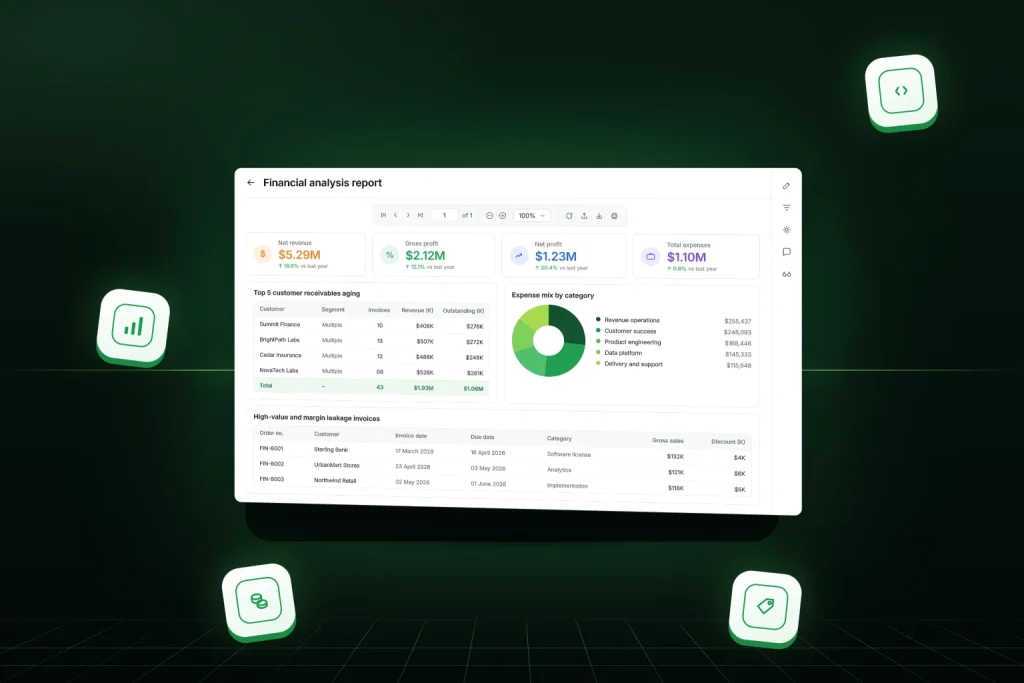
Whether you’re developing a SaaS platform, ERP system, or accounting solution, embedded reporting has become a competitive necessity. Users need instant access to balance sheets, income statements, cash flow reports, and financial KPIs without exporting data to spreadsheets or switching between multiple tools.
When reporting is not built into an application, organizations often face manual reporting processes, fragmented workflows, inconsistent financial data, and delayed decision-making. Embedding financial reports directly into an application helps overcome these challenges by providing real-time financial insights through a centralized and user-friendly experience.
In this guide, you’ll learn how to build effective financial reports into your application and discover best practices for delivering secure, scalable, and user-friendly reporting experiences.
What is financial reporting?
Financial reporting is the process of collecting, analyzing, and presenting a company’s financial performance to stakeholders over a specific period through standardized reports.
These reports provide a clear view of revenue, expenses, profitability, cash flow, assets, liabilities, and overall financial performance, helping organizations make informed decisions, maintain compliance, and build stakeholder confidence.
Why do organizations need built-in financial reporting?
Built-in financial reporting enables organizations to access and analyze financial data directly within their applications, improving efficiency, accuracy, and decision-making. Built-in reporting can:
-
- Improve the user experience: Users can access financial statements, KPI reports, and business reports without exporting data or leaving the application. This creates a seamless reporting experience and reduces dependency on external tools.
- Enable faster decision-making: Provides stakeholders with real-time access to financial data, helping them monitor profitability, cash flow, expenses, and other key metrics when making business decisions.
- Reduce manual reporting effort: Finance teams often spend significant time gathering data and creating reports manually. Embedded reporting automates report generation and delivery, allowing teams to focus on analysis rather than report preparation.
- Increase product value: Applications with built-in reporting offer greater value to users by combining operational workflows with reporting capabilities in a single platform.
- Improve data accuracy: When reports are generated directly from application data, organizations can reduce spreadsheet-related errors and ensure users work with consistent, up-to-date information.
- Support scalability: As businesses grow, reporting requirements become more complex. Embedded reporting helps organizations scale reporting processes without increasing manual effort.
8 steps to create effective financial reports
The following steps outline the process of transforming financial data into meaningful reports that support informed decision-making.
Step 1: Define the reporting requirements
Start by identifying the reports, metrics, and insights your users need. This ensures your reporting solution aligns with actual business requirements rather than simply displaying raw data. Common reports include balance sheets, income statements, and cash flow statements. You should also determine reporting frequency, user roles, security requirements, and compliance needs before development begins.
Step 2: Centralize financial data
Accurate reporting depends on reliable data. Most organizations store financial data across accounting software, ERP systems, databases, and business applications. Consolidating data into a centralized reporting layer helps eliminate inconsistencies, improve report accuracy, and provide a single source of truth for reporting.
Step 3: Create reusable reports
Instead of building every report from scratch, create standardized reports that can be reused across departments, teams, and reporting periods. This improves consistency, reduces development effort, and simplifies report management. Common templates include balance sheets, profit and loss (P&L) statements, cash flow statements, budget reports, and financial performance reports.
Step 4: Embed reports into the application
Embed financial reports directly into your application to provide users with seamless access to reporting and business insights without leaving the platform. This improves the user experience, increases data accessibility, and supports faster, data-driven decision-making.
Step 5: Ensure compliance, security, and governance
Financial reports often contain sensitive business and customer information, making security and governance essential. As reporting capabilities grow, organizations must ensure data remains protected while meeting compliance and audit requirements. Key considerations include:
-
- Role-based permissions.
- Secure data access.
- Regulatory compliance controls.
Strong governance practices help maintain data integrity, improve transparency, and ensure reports remain secure and trustworthy.
Step 6: Automate financial reports
As reporting demands increase, manually creating and distributing reports becomes difficult to scale. Automating reports help organizations reduce manual effort and deliver timely information to stakeholders. Common automation capabilities include scheduled report generation, automated data refreshes, email distribution, and compliance reporting.
Step 7: Deliver real-time financial insights
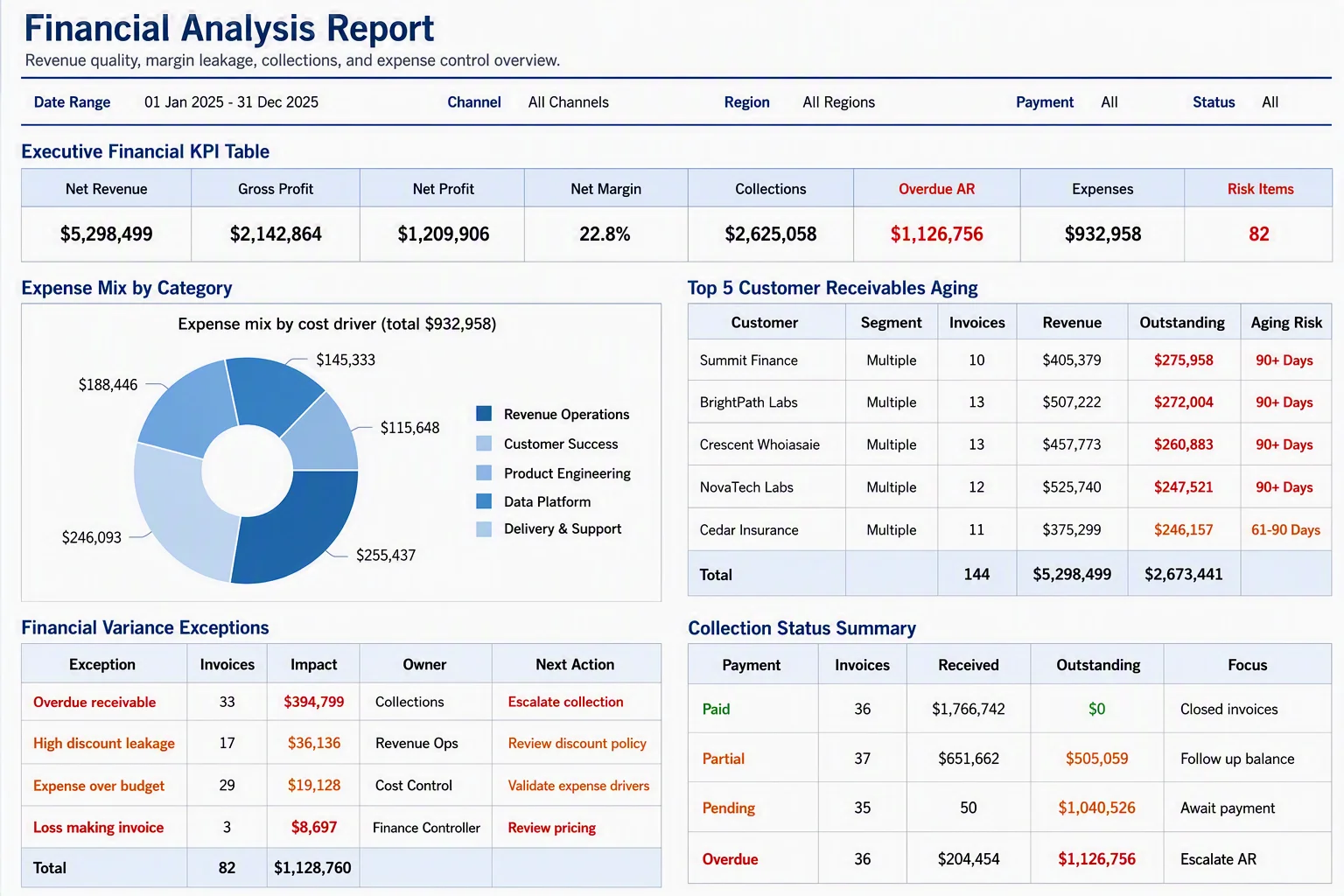
Modern users expect more than static reports. Combining financial statements with interactive reports allows stakeholders to monitor profitability, revenue, expenses, cash flow, and other key metrics in real time. This helps organizations respond quickly to opportunities and risks.
Step 8: Continuously monitor and improve reports
Effective reporting requires ongoing optimization. Regularly review reports by gathering user feedback, monitoring usage, updating KPIs, improving performance, and refining visualizations to ensure reports remain accurate, relevant, and aligned with business goals.
Common types of financial statements
Financial statements help organizations track financial performance, assess financial health, and make informed business decisions. The following four statements are essential for evaluating financial performance and business health.
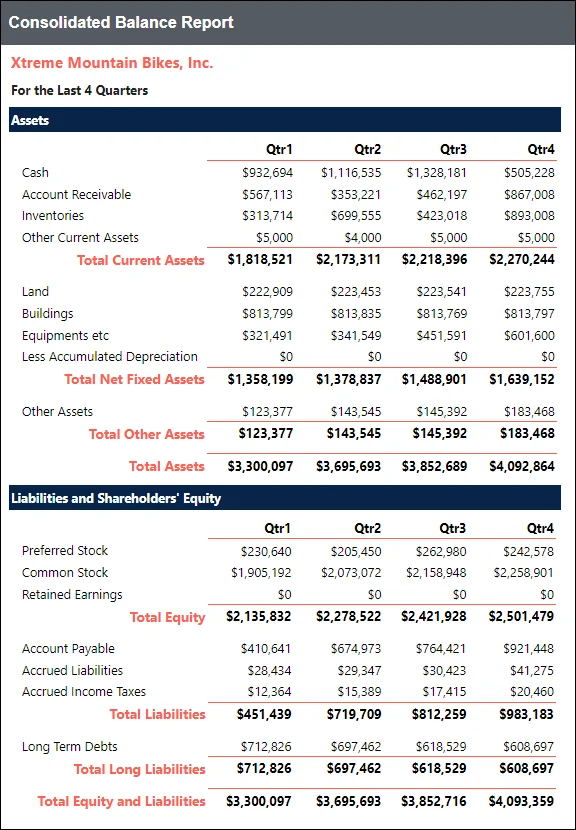
1. Balance sheet statement
A balance sheet provides a snapshot of a company’s financial position at a specific point in time, showing its assets, liabilities, and shareholder equity. It follows the accounting equation: assets = liabilities + equity. Key metrics include:
-
- Current and non-current assets.
- Current and long-term liabilities.
- Retained earnings.
Finance teams use balance sheet reports to assess liquidity, manage debt, evaluate financial stability, and support audit and investor reporting.
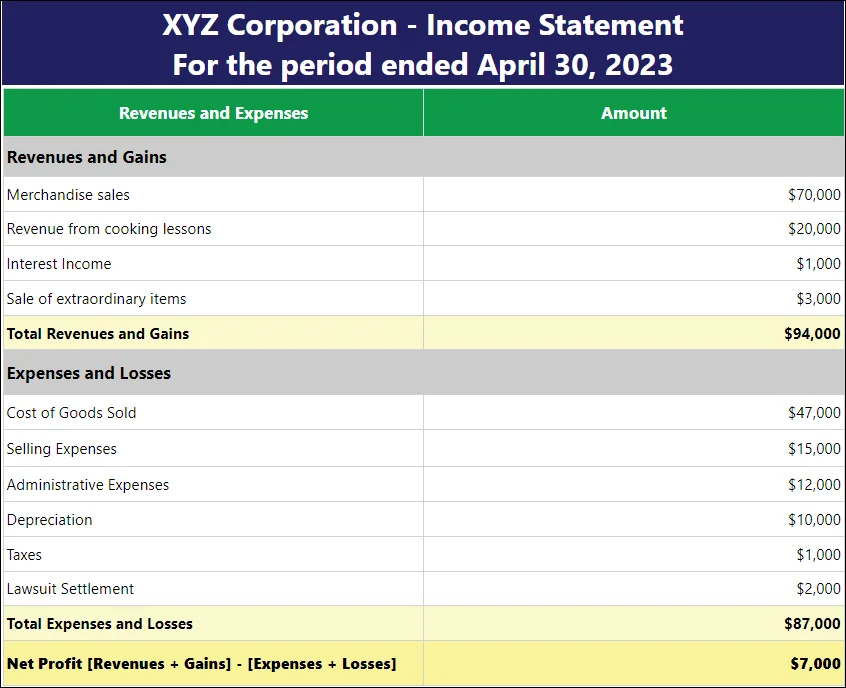
2. Income statement
An income statement, also known as a P&L statement, reports a company’s revenue, expenses, and net profit over a specific reporting period. It helps organizations measure profitability and understand business performance. Key components include:
-
- Revenue.
- Cost of goods sold.
- Operating income.
This statement is widely used to evaluate growth, profitability trends, and operational efficiency.
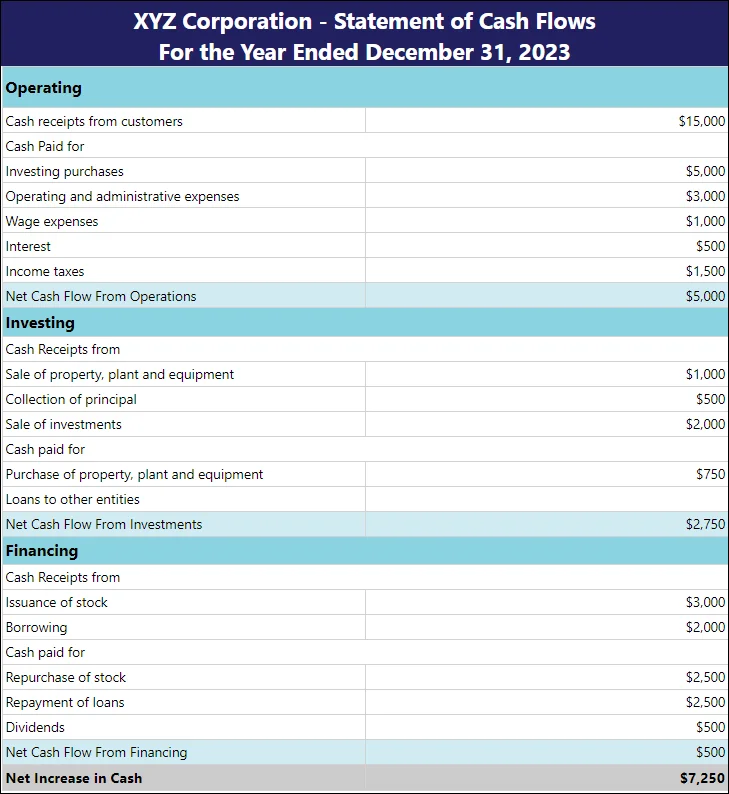
3. Cash flow statement
A cash flow statement tracks cash moving into and out of a business. Unlike an income statement, which focuses on profitability, it shows the cash available to support operations and growth. It includes three sections:
-
- Operating activities: Cash from business operations.
- Investing activities: Cash related to investments and long-term assets.
- Financing activities: Cash related to loans, debt, and shareholder financing.
Finance teams use cash flow reports to monitor liquidity, manage working capital, and plan future spending.
4. Statement of shareholder equity
A statement of shareholder equity shows changes in a company’s equity over a reporting period. It tracks how profits, losses, dividends, and share transactions affect ownership value. Key components include:
-
- Beginning and ending equity balances.
- Dividend distributions.
- Share issuances or repurchases.
Finance teams use this statement to understand how business performance and shareholder activities impact overall equity.
Why developers choose embedded reporting instead of building from scratch
Many organizations choose embedded reporting solutions to accelerate development and deliver enterprise-grade reporting features without reinventing the wheel. They choose it because it means:
-
- Faster time to market: Building report designers, viewers, export functionality, and scheduling systems internally can take months. Embedded reporting solutions provide these capabilities by default, helping organizations launch reporting features faster.
- Delivering a better reporting experience: Modern embedded reporting solutions include interactive reports, drill-down capabilities, and self-service reporting features that would require significant effort to build from scratch. This helps teams deliver a professional reporting experience from day one.
- Built-in security and scalability: Financial reports often involve sensitive business data. Embedded reporting solutions typically include role-based access control, secure data access, multitenant support, and scheduling features, which helps organizations scale reporting securely as their applications grow.
- Lower maintenance costs: Custom reporting systems require ongoing updates, performance optimization, bug fixes, and feature enhancements. By leveraging an embedded reporting platform, organizations can reduce maintenance overhead and benefit from continuous product improvements.
- Focus on product innovation: Instead of spending valuable engineering resources rebuilding common reporting functionality, development teams can focus on delivering new features, improving user experiences, and accelerating product innovation.
5 best practices for financial reporting
Following these best practices helps finance teams improve accuracy, maintain compliance, and deliver timely insights that support better business decisions. You should:
1. Ensure consistent reporting
Establish standardized reporting processes to maintain consistency across departments and reporting periods. This makes it easier to compare results, identify trends, improve accuracy, and reduce reporting errors.
2. Ensure financial data accuracy
Regularly validate accounts, sub-ledgers, and supporting records to ensure reports are accurate and complete. Ongoing reviews help identify discrepancies early, improve data integrity, and increase reporting reliability.
3. Automate data collection and reporting
Manual spreadsheets can slow reporting cycles and increase the risk of errors. Automating data collection, calculations, and report generation improves accuracy, reduces manual effort, and enables faster reporting.
4. Use financial reporting software
Financial reporting software automates data collection, report generation, and KPI tracking, helping finance teams reduce manual work, improve accuracy, and gain real-time visibility into financial performance. It also supports faster reporting cycles, compliance, and audit readiness.
5. Deliver timely and actionable reports
Financial reports should be produced consistently and include insights that stakeholders can act upon. Timely reporting enables leaders to respond quickly to opportunities, risks, and changing business conditions.
Common challenges of financial reporting and how to solve them
Despite its importance, financial reporting can be challenging, especially as organizations grow and manage increasing volumes of financial data.
1. Data silos across multiple systems
Financial data is often spread across ERP systems, accounting software, spreadsheets, and databases, making it difficult to create a unified view of performance. Connecting these data sources through a centralized reporting platform helps finance teams consolidate information, improve data consistency, and create accurate financial reports.
2. Manual reporting processes
Many finance teams still rely on spreadsheets to compile reports, increasing the risk of errors and reporting delays. Automating data collection, calculations, and report generation can significantly reduce manual effort while improving reporting accuracy and efficiency.
3. Inconsistent reporting formats
Different departments may use different metrics, and KPI definitions, leading to reporting inconsistencies. Establishing standardized financial reports and reporting guidelines helps ensure consistency across teams and reporting periods.
4. Limited visibility into financial performance
Static reports often provide only a snapshot of past performance and may not offer timely insights. Interactive and real-time KPI reports enable stakeholders to monitor financial performance continuously and respond quickly to changing business conditions.
5. Compliance and audit challenges
Missing documentation, inaccurate records, and inconsistent reporting practices can create compliance challenges and increase audit preparation time. Maintaining organized financial records, clear audit trails, and automated reporting workflows helps improve transparency, support regulatory compliance, and simplify audits.
Financial reporting requirements
Reporting requirements vary by industry, company size, and jurisdiction. However, most organizations must follow established accounting standards and reporting regulations.
- Generally Accepted Accounting Principles (GAAP): GAAP provides standardized accounting rules used primarily in the United States to promote consistency, accuracy, and transparency in financial statements.
- International Financial Reporting Standards (IFRS): IFRS is used in many countries worldwide and establishes globally recognized guidelines for preparing financial statements.
- Tax reporting requirements: Organizations must maintain accurate financial records to support tax filings and regulatory reporting obligations.
- Audit and compliance requirements: Public companies and organizations in regulated industries may need to comply with additional audit, governance, and financial disclosure requirements.
How is AI changing financial reporting?
Artificial intelligence is transforming financial reporting by automating repetitive tasks and helping finance teams generate insights faster.
-
- Automated data processing: AI can automatically collect, categorize, and analyze financial data from multiple systems, reducing manual work and improving efficiency.
- Improved accuracy: Machine learning algorithms can identify anomalies, detect inconsistencies, and help reduce reporting errors.
- Real-time financial insights: AI-powered analytics can continuously monitor financial data and provide up-to-date insights on business performance.
- Predictive forecasting: AI helps finance teams forecast revenue, expenses, and cash flow more accurately by analyzing historical patterns and trends.
How Bold Reports simplifies financial reporting
As organizations grow, finance teams need a faster, more reliable way to create and deliver reports. Bold Reports simplifies financial reporting by automating workflows, centralizing data, and providing accurate insights through pixel-perfect and embedded reports.
-
- Connect data from multiple sources: Financial data often resides in ERPs, accounting systems, databases, and cloud applications. Bold Reports enables finance teams to connect and consolidate data from multiple sources, creating a single, trusted view of financial performance.
- Create pixel-perfect reports: Bold Reports allows organizations to build professional financial statements and operational reports that are easy to share with executives, auditors, investors, and stakeholders. These reports can be customized to meet specific business and compliance requirements.
- Automate financial reporting: Instead of manually compiling reports every month, teams can automate report generation and scheduling. This reduces manual effort, minimizes reporting errors, and accelerates month-end and quarter-end reporting processes.
- Monitor financial KPIs in real time: With interactive reports, finance teams can track key metrics such as revenue, profitability, cash flow, expenses, and margins in real time. This provides faster visibility into financial performance and supports data-driven decision-making.
- Improve compliance and audit readiness: By centralizing financial data and standardizing reports, Bold Reports helps organizations maintain consistent reporting practices, improve transparency, and simplify audit preparation.
Highlighting how Bold Reports simplifies report creation and delivery, Jonathan K., Senior Clinical PreSales Consultant at a small business, shared in his G2 review:
“What I like best about Bold Reports is how much time it saves us when creating and delivering reports to customers. The report designer is highly flexible and allows us to build complex, professional reports without having to develop reporting functionality from scratch. The ability to embed reports directly into our application has significantly improved the user experience for our customers.”
Final thoughts
Financial reporting is most effective when it is integrated directly into the applications users rely on. Instead of depending on spreadsheets, manual reporting workflows, or disconnected tools, organizations can provide real-time financial insights within a single, unified platform.
By integrating reports into your application, users can instantly access financial statements and performance reports without relying on external tools or manual processes. This improves reporting efficiency, increases visibility into business performance, and enhances the overall user experience.
With Bold Reports, developers can quickly embed financial reports into their applications, automate report generation and distribution, and deliver secure, pixel-perfect financial reports, all without the cost and complexity of building a reporting solution from scratch.
Ready to create powerful financial reports? Start a 30-day free trial or request a personalized demo to see how Bold Reports can help you deliver effective financial reporting experiences that drive user adoption and business growth
Frequently asked questions
-
- 1.
How often should financial reports be prepared?
Most organizations prepare financial statements monthly, quarterly, and annually. The reporting frequency depends on business needs, regulatory requirements, and stakeholder expectations.
- 2.
What is the difference between internal and external financial reporting?
Internal reporting helps management monitor performance, budgeting, and operations, while external reporting is prepared for investors, regulators, lenders, and other stakeholders and follows accounting standards such as GAAP or IFRS.
- 3.
What are the benefits of embedded financial reporting?
Key benefits include improved user experience, faster decision-making, reduced manual reporting, increased product value, and stronger user retention.
- 4.
What should organizations look for in financial reporting software?
Organizations should look for features such as automated report generation, multiple data source connectivity, customizable reports, role-based access, and report scheduling.
- 5.
What is the future of financial reporting?
The future of financial reporting is driven by automation, AI, real-time analytics, and cloud-based reporting solutions that improve accuracy, reduce manual effort, and deliver faster financial insights.
- 6.
Can financial reports be automated?
Yes. Modern reporting platforms like Bold Reports can automate data collection, report generation, scheduling, and distribution.
- 7.
How can finance teams reduce manual reporting efforts?
Finance teams can reduce manual reporting by automating report generation and delivery, improving efficiency, and reducing errors.
- 1.