What Is Compliance Reporting? Types, Benefits, and Examples
TL;DR:
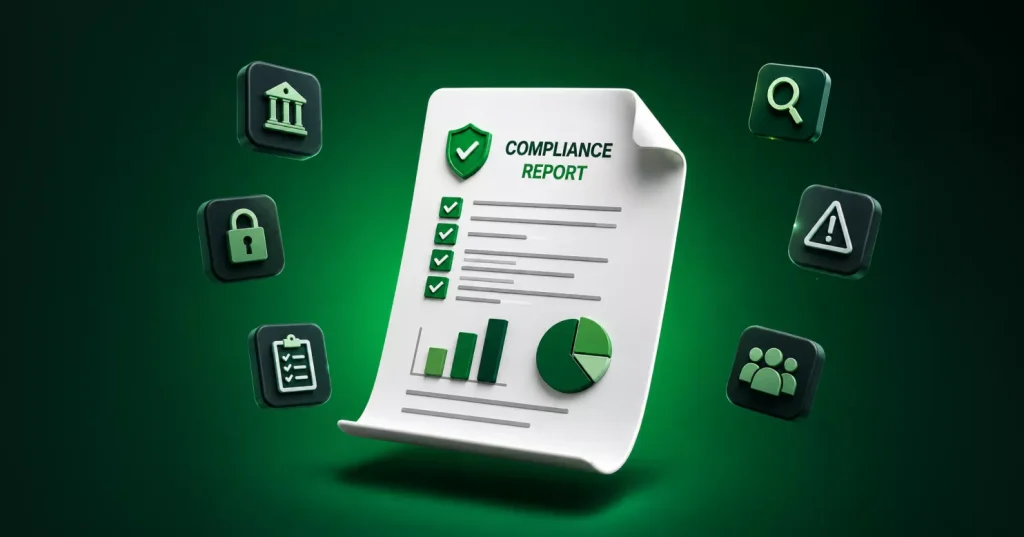
Compliance reporting is the process of creating clear reports that prove your organization is following laws, regulations, industry standards, and internal policies. It helps you reduce compliance risk, stay ready for audits, and give leaders and stakeholders reliable visibility into what is working, what needs attention, and what evidence supports it.
Introduction
If you’ve ever spent days gathering spreadsheets, tracking down missing documentation, or scrambling to prepare for an audit, you’re not alone. As regulations become more complex and data spreads across multiple systems, proving compliance can be just as challenging as maintaining it.
Many organizations struggle with incomplete records, inconsistent reporting processes, and limited visibility into compliance risks. These issues can lead to failed audits, regulatory penalties, operational disruptions, and lost stakeholder trust.
This is where compliance reporting becomes essential. Rather than relying on scattered documents and manual processes, compliance reporting provides a structured way to track requirements, collect evidence, monitor risks, and demonstrate adherence to regulations, standards, and internal policies.
For SaaS companies and data-driven organizations, compliance reporting is especially important because critical compliance data often lives across HR systems, CRMs, ERPs, security platforms, and databases. A well-designed reporting process helps consolidate this information, improve accuracy, and ensure teams can produce audit-ready reports whenever regulators, auditors, or leadership require them.
Industry research highlights the growing importance of effective compliance reporting. According to Thomson Reuters, 82% of risk and compliance professionals identify data and cybersecurity as their organization’s greatest risk, while 65% believe automating manual compliance processes would help reduce compliance complexity and costs. Additionally, PwC’s Global Compliance Survey found that 77% of organizations have been negatively impacted by increasing compliance complexity, underscoring the need for better visibility, governance, and audit-ready reporting processes.
In this guide, you’ll learn what compliance reporting is, why it matters, the main types of compliance reports, key reporting components, common mistakes to avoid, and how reporting tools can help organizations stay audit ready.
What is compliance reporting?
Compliance reporting is the process of documenting and communicating how an organization complies with applicable regulations, industry standards, internal policies, and contractual obligations.
The purpose of compliance reporting is to demonstrate that an organization is meeting its compliance requirements and can provide evidence when requested by auditors, regulators, or stakeholders.
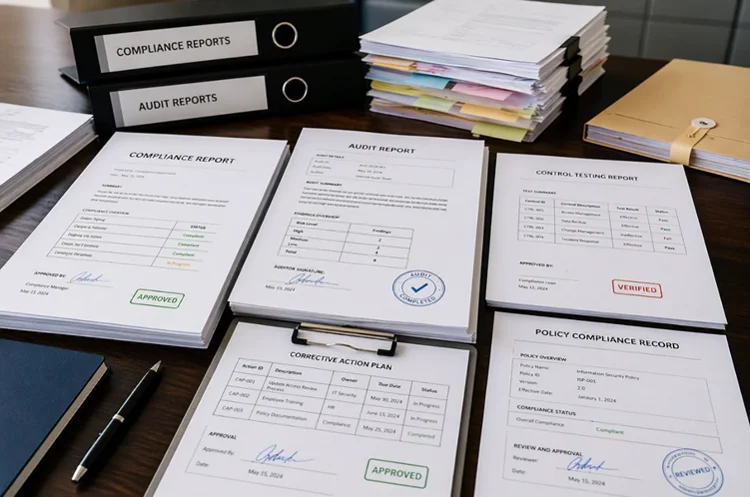
A compliance report may include:
-
- Compliance metrics and KPIs.
- Audit findings.
- Risk assessments.
- Policy adherence data.
- Control effectiveness results.
- Incident reports.
- Corrective action plans.
- Supporting evidence, such as logs, certifications, and training records.
Example: Compliance reporting requirements vary by industry and region. A healthcare provider may prepare HIPAA compliance reports to demonstrate adherence to patient privacy requirements, while a financial institution may generate anti-money laundering (AML) compliance reports to meet regulatory obligations.
Why compliance reporting matters for businesses
Organizations operate in increasingly complex regulatory environments. Without effective compliance reporting, it becomes difficult to identify compliance gaps, monitor corrective actions, and demonstrate compliance during audits, inspections, and regulatory reviews.
Businesses invest in compliance reporting because it:
-
- Reduces compliance risk: Helps identify regulatory violations, control weaknesses, and process gaps before they become larger issues.
- Improves audit readiness: Centralizes compliance evidence and documentation, making audits more efficient and reducing preparation time.
- Enhances transparency: Provides executives, auditors, and stakeholders with clear visibility into compliance performance and risk exposure.
- Supports better decision-making: Highlights trends, emerging risks, and areas that require attention, helping organizations prioritize remediation efforts.
- Protects reputation: Demonstrates accountability and commitment to compliance, building trust with customers, partners, investors, and regulators.
Key components of compliance reporting
A well-structured compliance report brings together the information organizations need to evaluate compliance performance, identify risks, and demonstrate accountability. While the exact content varies by industry, most compliance reports include the following components:
-
- Compliance status: Provides an overview of how well the organization is meeting applicable regulations, industry standards, and internal policies. It helps stakeholders quickly understand current compliance levels.
- Metrics and KPIs: Includes measurable indicators such as policy exceptions, overdue control activities, training completion rates, and unresolved compliance issues. These metrics help track performance over time.
- Risk assessments: Identifies compliance gaps, potential risks, their severity, likelihood of occurrence, and the business areas or systems they may impact.
- Audit findings: Summarizes observations from internal and external audits, including identified issues, recommendations, and the progress of remediation efforts.
- Incident records: Documents compliance violations, policy breaches, exceptions, and reportable events that require investigation or corrective action.
- Corrective actions: Tracks remediation activities, assigned owners, target completion dates, supporting evidence, and outcomes to ensure compliance issues are resolved.
- Supporting evidence: Includes the documentation required to demonstrate compliance, such as policies, procedures, system logs, access records, approvals, certifications, and retention records.
Together, these components provide a comprehensive view of an organization’s compliance posture, helping teams monitor obligations, respond to risks, and maintain audit readiness.
Step-by-step compliance reporting process
A structured compliance reporting process helps organizations maintain accurate records, demonstrate compliance, and stay prepared for audits and regulatory reviews. To build a compliance reporting process:
- Define compliance requirements: Identify the laws, regulations, industry standards, and other compliance reporting requirements that apply to your organization. Clear requirements help ensure reporting efforts focus on the right compliance obligations.
- Map controls to evidence: Determine what evidence is needed to demonstrate compliance, such as system logs, approvals, training records, tickets, or audit documentation. This makes it easier to prove compliance when required.
- Collect data from source systems: Gather information from relevant business systems, including HR platforms, financial applications, CRM and ERP systems, identity and access management tools, security solutions, and databases.
- Validate and reconcile data: Review collected information for accuracy, completeness, and consistency. Early validation helps identify gaps, duplicate records, or reporting errors before reports are finalized.
- Generate and review reports: Create compliance reports that summarize compliance status, exceptions, risks, trends, and corrective actions. Review findings to ensure reports are accurate and actionable.
- Distribute, approve, and archive: Share reports with stakeholders, obtain required approvals, and securely store reports with a documented audit trail to support future audits and compliance reviews.
Types of compliance reporting with examples
1. Financial compliance reporting
Financial compliance reporting demonstrates that financial reporting processes and internal controls align with regulatory requirements and accounting standards. Organizations use reports such as SOX compliance reports, internal control assessments, and internal audit reports to support audits, financial reviews, and regulatory examinations.
For example, a bank may generate an AML compliance report that consolidates transaction monitoring alerts, investigation outcomes, and regulatory filing metrics into an audit-ready document for regulators.
2. Data privacy compliance reporting
Data privacy compliance reporting tracks how personal data is collected, processed, stored, and protected across the organization. Reports like GDPR compliance reports, data processing activity reports, and consent records provide evidence of privacy compliance and help organizations respond to customer and regulatory inquiries.
For instance, a SaaS company might produce a monthly GDPR reporting pack containing consent logs, data deletion request timelines, and user access audit trails for internal reviews and customer assessments.
3. Cybersecurity compliance reporting
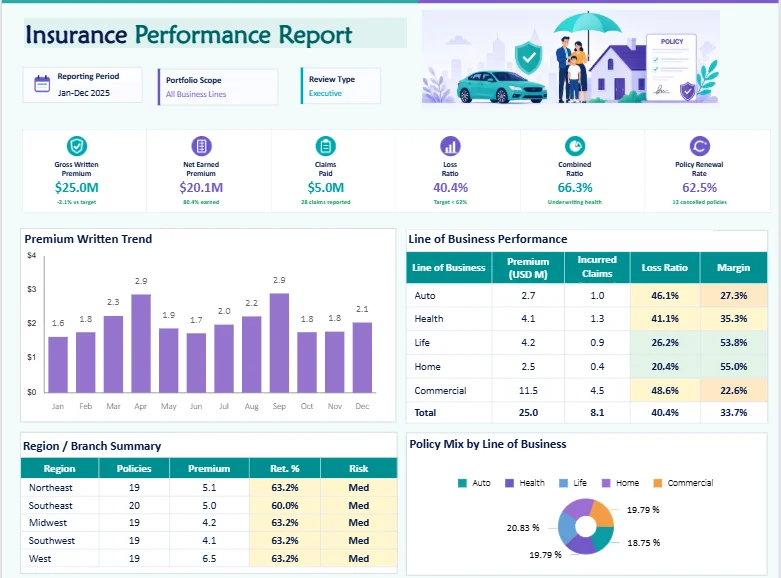
Cybersecurity compliance reporting evaluates the effectiveness of security controls and identifies risks, vulnerabilities, and compliance gaps related to information security. Common examples include SOC 2® Type 2 compliance reports, ISO 27001 audit evidence reports, and security assessment reports, which are frequently shared with auditors, customers, and security leaders.
A software company, for example, may prepare a SOC 2® Type 2 compliance report by automatically pulling access logs, change approval records, and incident documentation into a standardized audit-ready format.
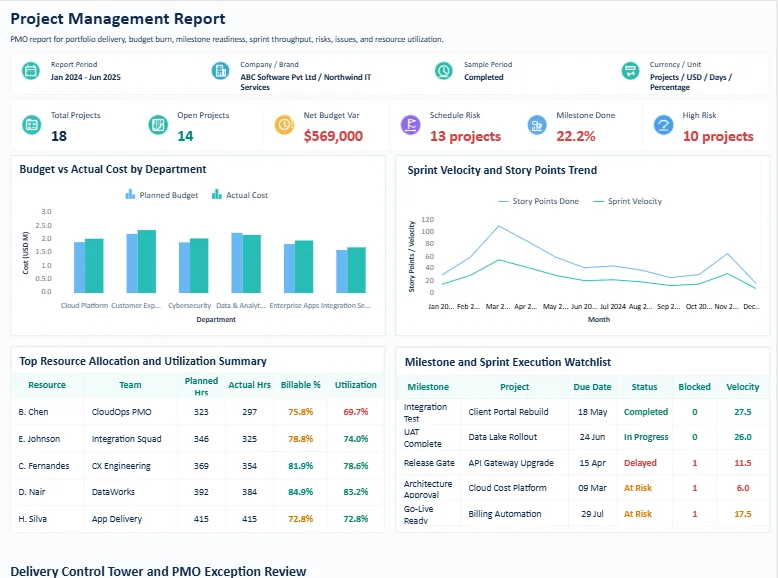
4. Healthcare compliance reporting
Healthcare compliance reporting documents must adhere to healthcare regulations, patient privacy requirements, and operational standards that support safe patient care. Reports like HIPAA compliance reports, healthcare audit reports, and clinical compliance reports help healthcare organizations demonstrate compliance and respond to audit requests.
For example, a hospital may generate a HIPAA compliance report showing access to patient records by user, role, and timestamp, enabling compliance teams to identify unusual access activity and verify regulatory compliance.
5. Operational compliance reporting
Operational compliance reporting measures whether employees, vendors, and business units follow internal policies, procedures, and operational controls. Common reporting examples include training completion reports, vendor compliance reports, and workplace safety reports, which help organizations monitor compliance performance and reduce operational risk. For instance, a procurement team may run a vendor compliance report to verify that suppliers maintain current insurance certificates, security documentation, and contract requirements.
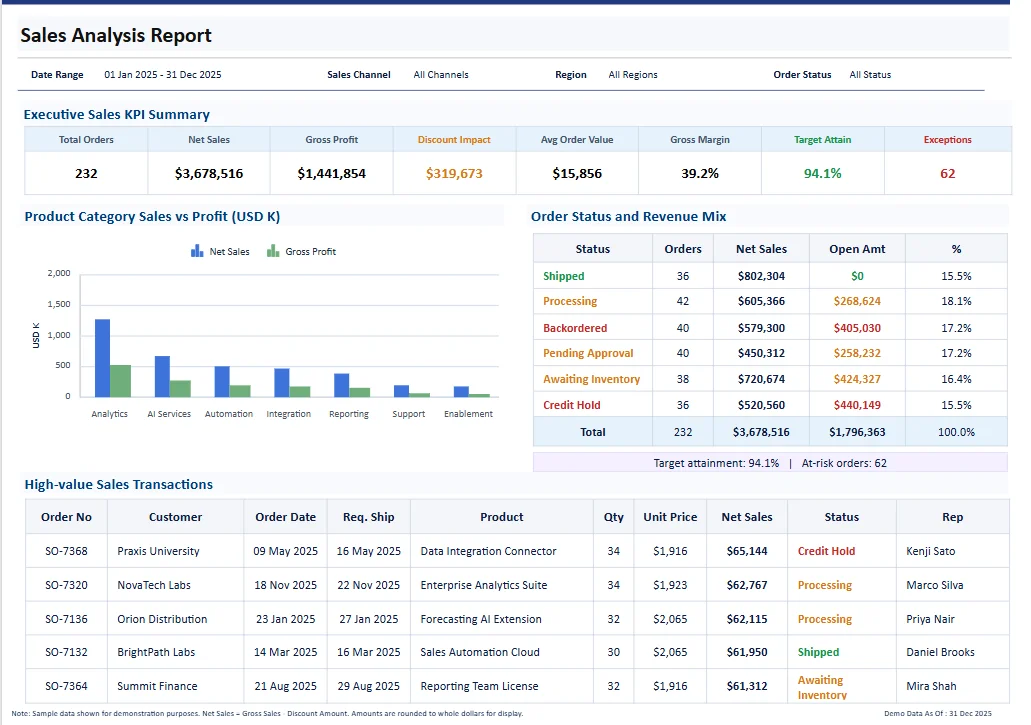
These categories help organizations identify which compliance reports matter most based on industry requirements, risk exposure, and audit readiness.
Compliance reporting vs. regulatory reporting
Although the terms are often used interchangeably, compliance reporting and regulatory reporting serve different purposes. Compliance reporting provides a broad view of an organization’s adherence to internal policies, industry standards, and regulatory requirements, supporting governance, risk management, and audit readiness. Regulatory reporting is a subset of compliance reporting focused on the mandatory reports and disclosures organizations must submit to regulatory authorities.
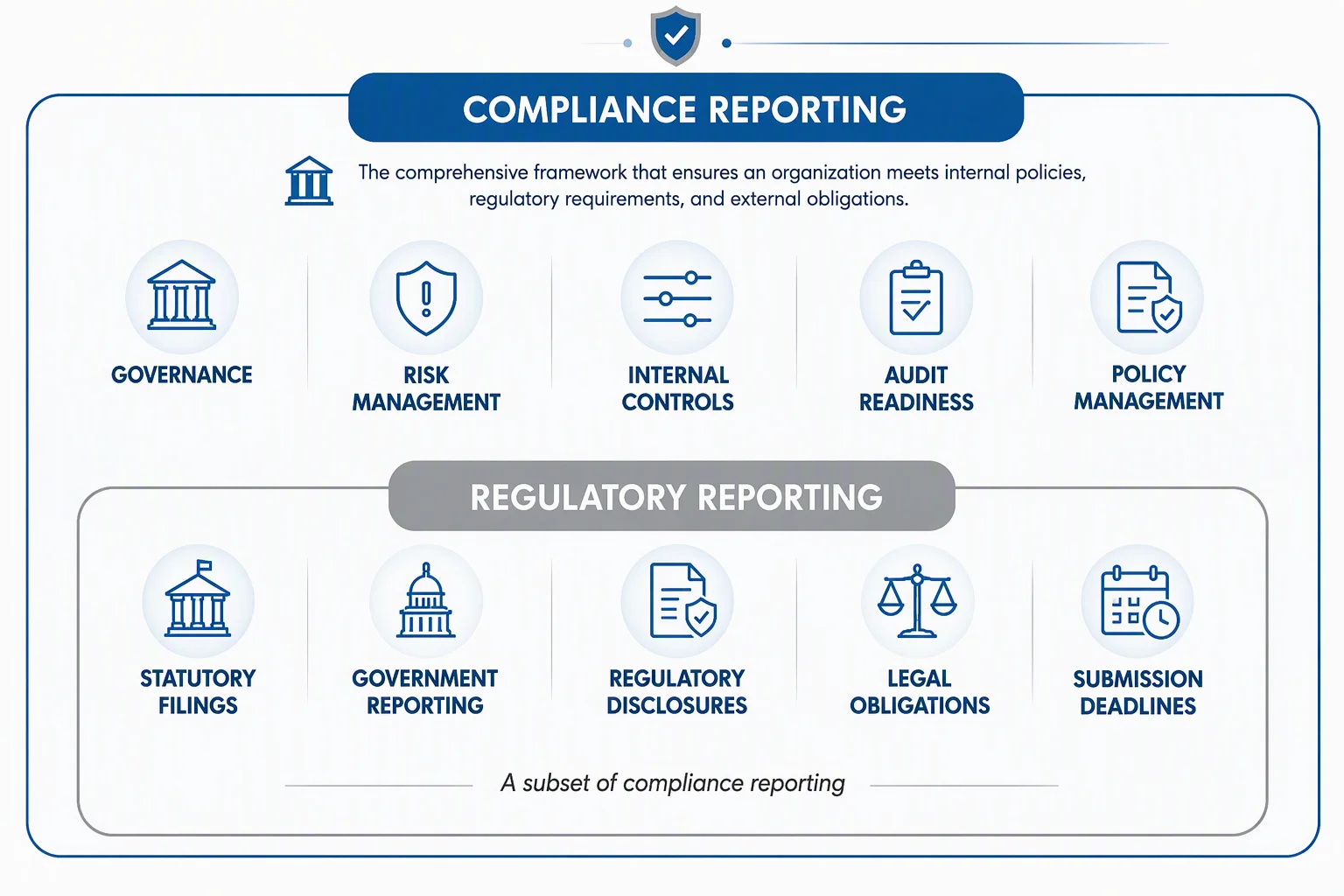
While the infographic shows the relationship between compliance reporting and regulatory reporting, the table below provides a detailed comparison of their scope, purpose, and requirements.
| Aspect | Compliance reporting | Regulatory reporting |
| Purpose | Monitors, tracks, and demonstrates compliance with internal policies, regulations, and standards. | Fulfills specific reporting obligations mandated by regulatory authorities. |
| Audience | Internal teams, management, auditors, compliance officers, and stakeholders. | Regulatory agencies and government authorities. |
| Scope | Broad; covers controls, policies, risk management, audits, and compliance activities. | Narrower; limited to regulator-defined reports and disclosures. |
| Frequency | Ongoing, periodic, or based on internal governance requirements. | Submitted according to deadlines and schedules set by regulators. |
In practice, compliance reporting and regulatory reporting serve complementary roles. Compliance reporting supports continuous oversight of policies, controls, and compliance activities across the organization, while regulatory reporting focuses on meeting specific reporting obligations set by regulators. Together, they help strengthen governance, reduce compliance risk, and ensure accountability.
Common mistakes to avoid in compliance reporting and how to fix them
Organizations frequently encounter challenges that reduce reporting effectiveness. Avoid these common mistakes:
-
- Relying on manual spreadsheets for critical tracking: Standardize templates and automate data pulls where possible.
- Using inconsistent data sources: Define a single source of truth per metric.
- Reporting outdated information: Schedule recurring refreshes and distribution.
- Unclear ownership of metrics: Assign control owners and due dates.
- Missing audit trails: Track changes, approvals, and evidence links.
- Treating compliance as one-time: Use an ongoing cadence, whether monthly or quarterly.
- Hard-to-read reports: Lead with a summary, exceptions, and action items.
The most effective compliance reporting programs prioritize accuracy, consistency, transparency, and accessibility. Understanding your organization’s compliance reporting requirements is essential for building accurate, audit-ready reports and reducing compliance risk.
How Bold Reports supports audit-ready compliance reporting
Bold Reports helps organizations build an audit-ready compliance reporting process by standardizing how reports are created, managed, and delivered. As an enterprise reporting platform, it enables teams to generate consistent, pixel-perfect reports, automate distribution, and maintain strong governance over compliance data. With centralized reporting and controlled access, organizations can ensure audit evidence remains reliable across teams and reporting periods.
Key capabilities include:
-
- Pixel-perfect compliance and audit reports: Create structured, repeatable reports with consistent formatting for audit packs, compliance documentation, and other regulated reporting requirements. These capabilities support accurate and standardized audit reporting across the organization.
- SSRS-compatible modernization: For organizations using SSRS-style reports, Bold Reports supports RDL-based workflows, helping teams modernize report management, scheduling, and governance without rebuilding existing reports from scratch.
- Automated scheduling and distribution: Reduce manual effort with reporting automation capabilities that schedule, generate, and distribute compliance reports automatically, ensuring stakeholders receive information on time and in a consistent format.
- Embedded reporting for business applications: Integrate compliance reports directly into internal portals, enterprise applications, and customer-facing solutions through embedded reporting, allowing users to access critical information without leaving their workflows.
- Enterprise-grade security and governance: Manage access through role-based permissions, activity tracking, and controlled report sharing to support governance requirements and maintain confidence in audit evidence.
- Flexible deployment options: Deploy in the cloud or on premises to meet organizational requirements for security, infrastructure management, compliance, and data residency.
- Consolidated operational visibility: Connect data from multiple systems to support operational reporting, giving compliance teams a comprehensive view of compliance activities, risks, and reporting obligations.
By combining enterprise reporting, reporting automation, audit reporting, operational reporting, and embedded reporting capabilities, Bold Reports helps organizations streamline compliance reporting while improving audit readiness, governance, and reporting efficiency.
Final thoughts
Compliance reporting plays a critical role in helping organizations demonstrate accountability, reduce compliance risk, and stay prepared for audits, inspections, and regulatory changes. By following a structured, automated reporting process and maintaining accurate records, organizations can improve visibility, strengthen governance, and respond more effectively to compliance requirements. To simplify compliance reporting, organizations need a solution that can consolidate data from multiple systems and provide easy access to the evidence required for audits. Bold Reports helps teams build, schedule, and share compliance reports while supporting scalable and audit-ready reporting workflows.
Ready to streamline compliance reporting? Start your 30-day free trial or request a personalized demo to see how Bold Reports can simplify compliance reporting, automate reporting workflows, and help your organization stay audit ready. If you have questions, contact us for expert guidance on optimizing your compliance reporting processes.
Frequently asked questions
-
- 1.
What is compliance reporting?
Compliance reporting is the process of documenting and communicating how an organization complies with laws, regulations, standards, and internal policies.
- 2.
Why is compliance reporting important?
It helps reduce risk, improve transparency, support audits, and demonstrate accountability to stakeholders.
- 3.
What are compliance reporting requirements?
Common requirements include accurate data, supporting documentation, audit trails, record retention, and timely reporting.
- 4.
Who prepares compliance reports?
Compliance officers, finance teams, legal teams, auditors, and risk management teams often collaborate to prepare compliance reports.
- 5.
What industries require compliance reporting?
Most industries require some form of compliance reporting, including healthcare, finance, manufacturing, retail, technology, and government.
- 6.
What is the difference between compliance reporting and regulatory reporting?
Compliance reporting covers broader compliance management, while regulatory reporting refers to specific reports submitted to regulatory agencies.
- 1.